Musical America: Why Opera Singers Quit the Trade October 13, 2026 | By Taylor Grant
INDUSTRY NEWS
Why Opera Singers Quit the Trade
October 13, 2026 | By Taylor Grant, Musical America
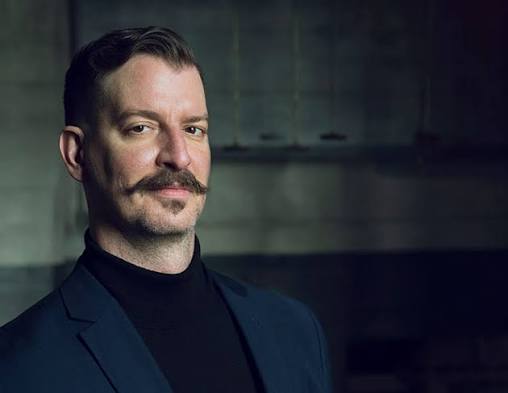 For all but the top echelon of professional opera singers, creating a sustainable career poses a challenge so daunting that many quit just as their vocal prowess peaks. They simply cannot afford to continue.
“We just have to start telling the truth, and that is that unless you're in the top one or two percent of singers in the world, this is not something that you'll be able to sustain a family with,” Andrew Potter [left] tells Laura Atkinson, a reporter for Louisville Public Media.
The 43-year-old lyric bass, who has appeared with, among others, the Metropolitan Opera, Seattle Opera, Dallas Opera, and Portland Opera, has been making more money than ever and getting regular bookings. But in September he published an open letter to the profession in The Times (London) announcing his retirement and explaining why.
Potter’s reckoning with his profession’s future took on great clarity when he sang at The Metropolitan Opera in December of 2025, a pinnacle achievement for which he brought his family to New York. But the need to fund food, housing, and transportation for the six-week rehearsal period before curtain made Porter’s Met experience a financial wash. And this is the rule, not the exception, for most in his trade.
As Atkinson explains, “While opera often seems glamorous, the reality is quite different. For one, there's a lot of travel. There are over 100 opera houses in this country.” Potter tells her, “There were nights sleeping at rest stops on drives across the country because you can't afford a hotel…. I'm making a thousand-mile drive for a $300 travel stipend.”
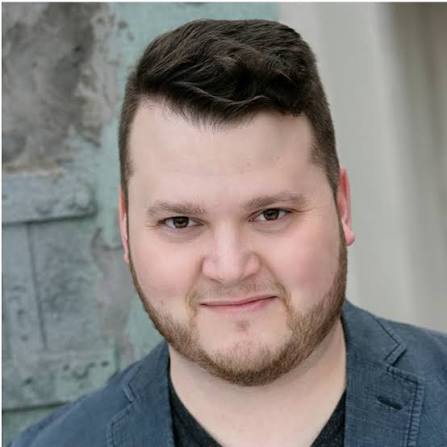 Road dad
The time away from home is another cost, one that may be harder to calculate in dollars and cents but cuts deeper in impact. Clark Evans [right], a baritone from Kentucky, tells Atkinson, “It's like living two lives simultaneously because it changes so much with the kids… growing up.” At 42, Evans, like Porter, decided to retire this year. “I'm ready to be a better home-husband and home-father instead of being a great road father,” he tells Atkinson.
Porter and Evans are not outliers, says Katherine Phares, a voice professor at Bowling Green State University who has studied hundreds of professional opera singers’ lives. The financial and personal pressures begin to catch up with singers around midlife. “Making real money that you can invest,” she explains, “[is] when many people feel that the rug is pulled out from underneath them.”
For most opera singers, like most Americans, working hard to hone their abilities no longer guarantees (if it ever did) the comforts of life commensurate with their achievements. “Singers rarely stop singing because they are tired of making art,” Atkinson concludes.
They stop because the institutions for which they perform are in crisis, she continues, “struggling financially with an aging donor base, declining federal support and high ticket prices…. That squeeze extends to the people making the music…. Opera singers just live that tension loudly on the road, on the stage, in front of an audience until, sometimes, it's time to walk away
posted by Pimp My Voice at 10:55 AM


0 Comments:
Post a Comment
<< Home